Daniel Kahneman (1934 – 2024)
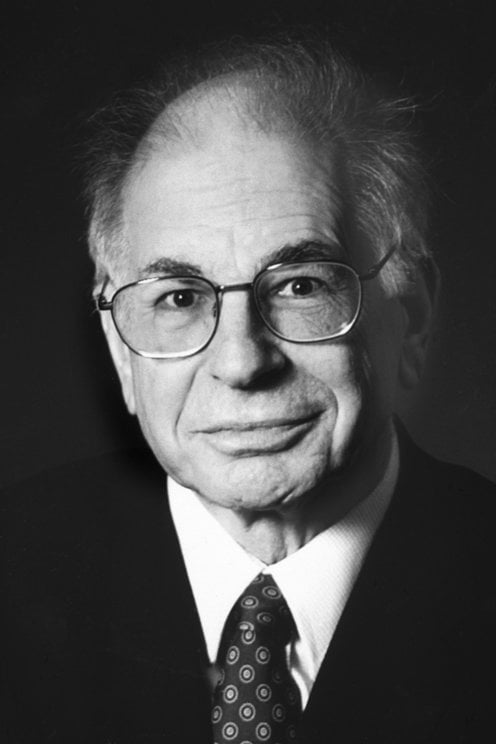
Source: nobelprize.org/
Most Bereans at the Gate (BATG) readers will know the name Daniel Kahneman. As a psychologist, he won the Nobel Prize in Economics in 2002 and has been known informally as the ‘grandfather of behavioral economics’. He, along with Amos Tversky and others, examined how people made decisions or judgments. In perhaps his best-known work, the book Thinking Fast and Slow, Kahneman summarizes much of his research, covering areas like recency, overconfidence, framing and loss avoidance.
Some readers may know that Dr. Kahneman died in March 2024. I, along with many others, am grateful for the ideas that Daniel Kahneman brought to the world while he was among us. More recently I learned that Kahneman choose to end his earthly life by assisted suicide in Switzerland just short of his 90th birthday. Jason Zwieg, a regular Wall Street Journal columnist, discusses his life and that decision in this March 2025 article. Apparently, Dr Kahneman was still in good health, although according to Zweig, he sensed a diminishment of his mental capabilities.
My objective in this post is not to discuss assisted suicide, nor to try to probe the depths of Dr Kahneman’s reasoning to end his life (For who knows a person’s thoughts except the spirit of that person, which is in him? I Corinthians 2:11a).# Instead, I wish to ask a few questions:
- How does a decision like this shape how we think of someone’s work? It is a bit ironic that Kahneman’s work was about how people make economic decisions, and this post is about this final earthly decision he made.
- To what extent do or can we separate a person’s thoughts and ideas from their life? For example, what about a composer or author who lived a dissolute or morally troubling life?
- How do we view public figures whose policies or perspectives come “bundled’ together – some of which we agree with and others we don’t? How do we discern what we affirm and what we reject when both come from the same person?
BATG readers: welcome your comments.
# At about the same time as reading Jason Zweig’s column, I was also reading a book about end of life issues. In her book Between Life and Death: A Gospel-Centered Guide to End-of-Life Medical Care, Kathryn Butler, MD suggests two principles for believers to keep in mind:
- Sanctity of mortal life. It is this view that leads to Christians’ opposition to abortion and the “right to die” movement. She reminds us that all human beings possess God-given dignity since we are beings created by Him.
- God’s authority over life and death. As Butler states, “sanctity of life does not refute the certainty of death” that we all face (p.35).
Dr Butler suggests that these two principles are to be kept in tension. A focus solely on the sanctity of mortal life may lead a caregiver to choose aggressive care to keep a loved one alive, even if that technology does not bring about cure. Instead, Butler proposes we ought to ask whether the medical efforts and intervention are preserving life or prolonging undue suffering and death – not a choice easily or lightly made. End of life choices are difficult in light of this tension between the sanctity of mortal life and God’s ultimate authority.
As the Psalmist reminds “the years of our life are seventy, or even by reason of strength eighty; yet their span is but toil and trouble; they are soon gone, and we fly away.” (Psalm 90:10) Earthly life is indeed fleeting. Our response can be, in part, to ask God to “teach us to number our days that we may get a heart of wisdom” (Ps 90:10). May God grant us wisdom to walk the number of days He has granted us on this earth, recognizing that each life is sacred and that He in fact is sovereign over the number of days we have on this terrestrial ball.
 Bert Wheeler
 Jeff Haymond
 Marc Clauson
 Mark Caleb Smith
 Tom Mach